Technology is ageing like wine, as we used to comment on Hollywood or Bollywood celebrities. It keeps on getting better with time. If I talk about the distribution of goods, technology automates the distribution of goods.
It is very difficult to say that one way technology can improve the distribution of goods because there are many ways to improve it.
Here are the ways that technology is completely changing the distribution of goods.
1. Stock Maintenance
Without the technology, you are always confused about how much stock you have and how much you have to maintain for future purposes.
With the help of technology, AI will help you to know how much stock you have and what the peak days of your product are, so that you can plan your distribution channel accordingly.
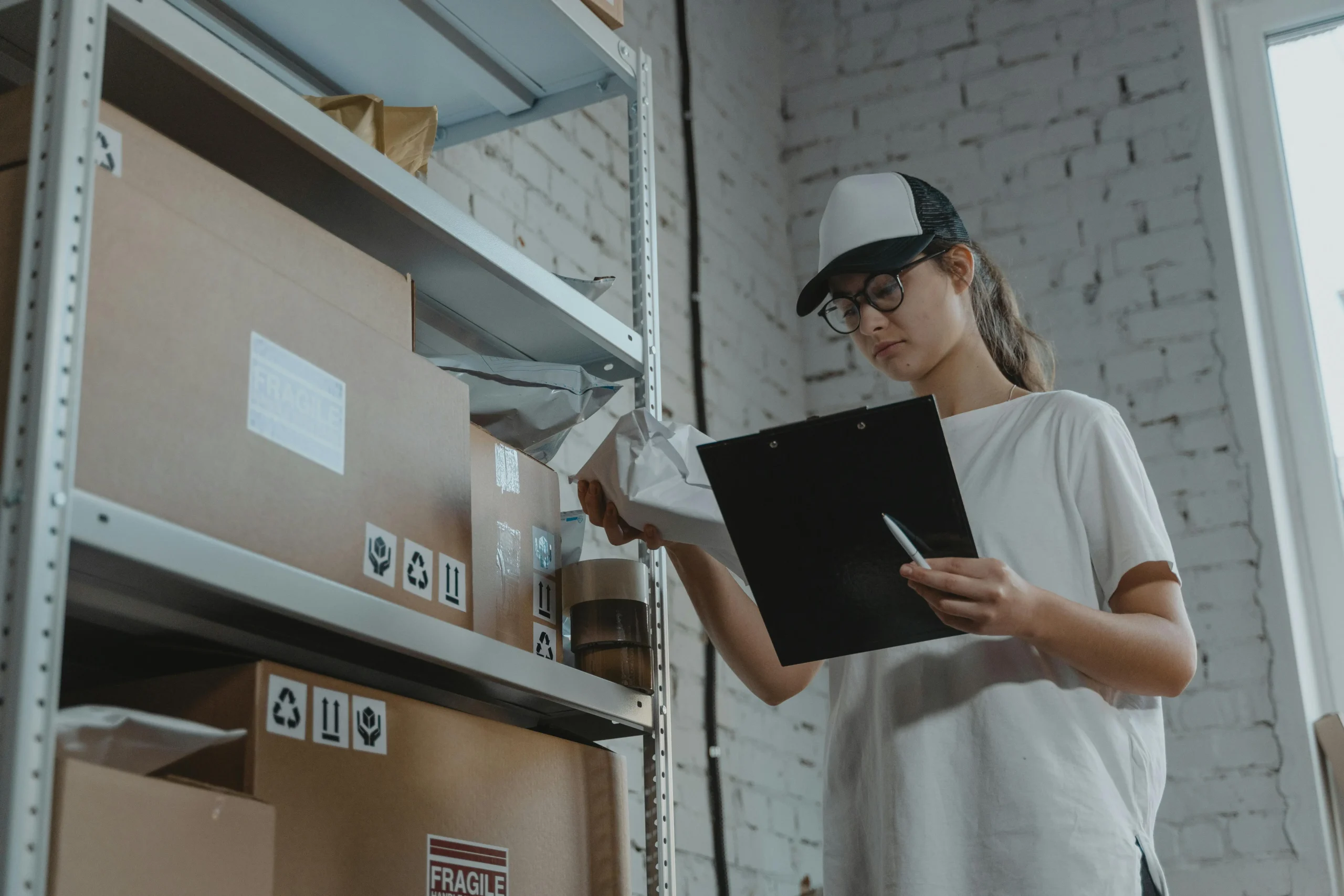
2. Automated warehousing
Won’t you believe, now companies are using AI robots to pack their product and then ship for delivery, which ultimately increases the productivity and cost of the employer. So if you have a good investment, you can try this once and see the magic.
3. Predict Non-delivery area
Platforms like Shiprocket, an integrated courier platform programme, that help you in providing knowledge about which areas are serviceable and not. For example, A customer purchased an order from your website, now all the information about the customer is with you.
But a platform shows that this is not serviceable and has a very high risk of RTO if you try to ship. So, in short, that kind of assistance helps in saving the RTO costs.
4. Fraud detection
AI algorithms prevent fraudulent transactions and alert customers when they make a purchase with a security protection plan attached to it. This improves brand loyalty and wins the customer’s trust.
5. Improved customer service
Technology helps the distribution of goods massively, and it improves customer service. Many large companies are already implementing AI-powered customer service automation to manage delivery updates, handle customer queries, and improve the overall buying experience.
How does AI reduce Distribution costs?
AI is not only helpful in content generation, but it also reaches a level where human beings can feel insecure for sure.
Here are the reasons that are as follows:
1. Smart Route Planning
AI can select the most suitable delivery routes for trucks and vans. It verifies live traffic, weather, and road conditions to ensure that drivers take the shortest and fastest route, conserving fuel and time.
For example, when there’s traffic on a main road, AI can instruct drivers to pull over to the main road. This saves businesses on fuel costs and ensures faster delivery of goods to consumers.
2 . Better Demand Forecasting
AI learns from past sales, seasonal demand, and customer behavior to predict the amount of stock needed at each location. This reduces excess delivery of products to locations where they are not intended for purchase.
For example, if AI suggests that cold beverages sell more in summer in Delhi, the company can ship more there and save money on keeping them in other locations.
3. Warehouse Automation
AI-controlled machines and robots assist in picking, packing, and sorting items in warehouses. They are faster than people and commit fewer mistakes, which helps reduce the number of additional employees and eliminates expensive mistakes.
In an example, a robot will pick the correct item from the shelf within seconds and pack it appropriately, whereas a human being can take more time and pack the incorrect item in some cases. This is time and money-saving.
4. Predictive Maintenance
AI can monitor the health of vehicles and machines in warehouses. It can forecast when they may disintegrate and forewarn the company. This avoids unexpected failures when it goes into delivery, which are costly to repair.
In an example, AI will alert that the brakes of a truck require fixing before heading out to make deliveries, which saves money on unplanned repairs and time wastage.
5. Better Customer Experience
AI is also a cost reducer since it keeps customers satisfied. It provides real-time tracking, quick delivery, and reduced errors. Customer satisfaction leads to fewer complaints and returns, thus saving the company some money.
In an example, customers who are using their phone to follow their order do not have to call customer care, which saves time and service expenses for the business.
What is the future of goods distribution with technology?
1. Smarter Deliveries with AI
Deliveries will be much smarter in the future. Artificial Intelligence (AI) will design the shortest routes, learn traffic, and even guess what customers want to order. This will save money and make the distribution quicker.
Example: When an individual requests shoes to be delivered to his or her house online, the AI will identify the closest warehouse to deliver the product to him or her, hence takes a short time and costs less.
2. Use of Drones and Robots
More frequently, drones and delivery robots will be utilized, particularly when making small and urgent deliveries. This will minimize the amount of fuel burned, and goods will be carried to places that the big vehicles can not access.
Example: It can only take a few minutes to get life-saving medicines to a village using a drone, but a van can take hours.
3. Self-Driving Vehicles
Driverless trucks and vans will play a significant role in the future. As they do not require rest, they can work during the day and night, which decreases the delivery time and costs of labor.
Example: An autonomous truck could then ferry goods between cities overnight without a driver taking a break.
4. Smart Warehouses
The warehouses will be very automated by the use of robots and sensors. They will deal with the storage, picking, and packing of goods fast and error-free.
Example: a robot can find a mobile phone in a warehouse and can pack the phone in several seconds, which is much quicker than an ordinary employee.
5. Eco-friendly and Green Delivery
These days, distributions are based on environmental protection. In the future, electric cars will be used by firms, warehouses will be solar-powered, and packaging will be made environmentally friendly to reduce pollution and expenses.
Example: An electric delivery van with groceries does not emit any dangerous smoke and saves on petrol.
How is technology transforming the food production and distribution process?
The fundamental need of life is food. The world’s population is growing; hence, more food is demanded. Conventional agriculture cannot sustain the billions of people in the human population. This is why technology is of great importance in agriculture.
A. Smart farming (Precision Agriculture)
In the past, farmers relied on weather forecasts and experience to cultivate crops. They use modern tools today, including:
- GPS systems
- Drones
- Soil sensors
- Artificial Intelligence (AI)
- Satellite images
How it helps the farmer:
- Such tools help farmers gather immediate information about their farms.
- Soil sensors inform the farmers of the amount of water required.
- Drones are used to capture images to identify illnesses.
- GPS helps plant seeds in the correct rows.
This technique is referred to as precision agriculture since farmers rely on accurate information rather than guesses. It minimizes water, fertilizer, and pesticide wastage and maximizes crop production.
B. Artificial Intelligence application in Agriculture
Artificial intelligence systems can analyze weather conditions, soil composition, and crop fitness. They can predict:
- When to plant crops
- When to harvest
- What will produce higher profitability?
This helps farmers make better decisions and minimize risk.
C. Agricultural Robots and Automation
Robots are applied in many countries in agriculture. These robots can:
- Plant seeds
- Remove weeds
- Pick harvested fruits and vegetables.
Robotization eliminates the use of human labor. It also improves speed and accuracy.
Robots can pick fruit all day without fatigue. This lowers labor costs and boosts output.
D. Biotechnology and GMC
Biotechnology assists the scientists in coming up with crops that:
- Grow faster
- Resist insects
- Survive drought
- Produce a higher yield
These GM crops can be used to supply an increased population. They also minimize the use of toxic substances.
E. Better Irrigation Systems
One problem in agriculture is water scarcity. Technology has introduced:
- Drip irrigation
- Smart irrigation systems
- Water control systems are automated.
These systems supply water upon demand, hence conserving a significant volume of water.
F. Cold storage and Food preservation
Previously, food waste was enormous due to a lack of adequate storage facilities.
Now you can have:
- Refrigerated trucks
- Cold storage warehouses
- Vacuum packaging
- Altered atmosphere packaging
The technologies ensure that food remains fresher longer and minimize waste.
G. Digital Channels and Direct Selling
Technology has also transformed the way food is delivered to consumers.
Farmers can now:
- Make direct sales to customers with apps.
- Use online marketplaces
- Avoid middlemen
Grocery delivery and grocery applications enable people to place orders from home. This enhances convenience and saves time in distribution.
H. Blockchain for Food Safety
Food products can be tracked from the farm to the table by using blockchain technology. It increases transparency.
Consumers can know:
- Where the food was grown
- How it was transported
- Whether it is safe
This will create confidence and enhance food safety.
General Effect on the Food Industry
Because of technology:
- There has been increased food production.
- Food waste has reduced.
- Farmers earn a better income.
- Consumers receive fresh food more quickly.
Technology is also rendering agriculture more efficient, sustainable, and profitable.
How is technology transforming supply chain management, logistics, and global trade?
A supply chain is the system that circulates goods between producers and consumers. It includes:
- Manufacturing
- Storage
- Transportation
- Distribution
This system is completely transformed by technology.
A. GPS and IoT Real-Time Tracking
Previously, companies did not know where their goods were during transportation. Today, they use:
- GPS tracking
- Internet of Things (IoT) gadgets.
- Smart sensors
- Companies can now monitor:
- Location of trucks
- Temperature of goods
- Delivery time
- Delays and traffic conditions.
This saves time and the cost of loss.
B. Automation in Warehouses
Modern warehouses use:
- Robots
- Automated conveyor belts
- Barcode scanners
- AI-powered sorting systems
These technologies:
- Pack products quickly
- Reduce human errors
- Increase speed
Firms such as Amazon invest in robots that can collect and package products in a few minutes.
C. Big Data and Artificial Intelligence
AI helps companies in forecasting customer demand.
For example:
- The demand is high during festivals.
- In winter, demand for heaters rises.
AI analyzes historical data and forecasts demand. This assists the firms in controlling stocks adequately.
It prevents:
- Overstocking (too much stock)
- Understocking (lack of products)
D. Internet-based Businesses and Web Solutions
The concept of online shopping has revolutionized trade worldwide.
Small businesses can:
- Sell internationally
- Accept online payments
- Ship products globally
E-commerce systems connect buyers and sellers across various nations.
E. Digital Payments and Financial Technology
Payment systems in the modern world include:
- Online banking
- UPI
- Mobile wallets
- Intra-national electronic transfers.
World trade becomes faster and easier through these systems.
F. Blockchain to Support Secure Transactions
Blockchain technology will guarantee:
- Safe transactions
- Transparent records
- Reduced fraud
G. Advanced Transport Systems
Transportation has been enhanced due to technology in:
- High-speed cargo planes
- Smart shipping containers
- Electric delivery vehicles
- Automated ports
This saves on delivery time and transportation costs.
H. Cloud Computing
Cloud systems enable companies to save and access data in the cloud.
Managers in other countries can:
- Access data anytime
- Monitor supply chains
- Make fast decisions
I. General Implications on Supply Chains and Trade
Because of technology:
- Delivery is faster
- Costs are lower
- Efficiency is higher
- Global trade has expanded.
- Small businesses can compete on a global scale.
How does technology impact the central problem of the economy?
The influence of technology on the economy is the main issue.
What is the Focal Issue with the Economy?
A lack of sufficient resources is the main issue in any economy.
Scarcity is a situation in which resources are scarce and human desires are open-ended.
Due to scarcity, any economy has to respond to three fundamental questions:
- What to produce?
- How to produce?
- For whom to produce?
Technology is instrumental in answering these questions.
A. What to Produce?
Technology helps businesses understand what customers want.
Through:
- Data analysis
- Social media trends
- Online surveys
- AI systems
Businesses can understand people’s desires.
For example:
When individuals demand electric cars, manufacturers begin producing more EVs.
Technology mitigates the chances of developing undesirable products.
B. How to Produce?
Technology enhances the production processes.
Earlier production was:
- Slow
- Labor-intensive
- Expensive
Now production is:
- Automated
- Faster
- Cost-efficient
Robots and machines consume fewer resources and create more products.
This makes it more productive and less wasteful.
C. For Whom to Produce?
Technology generates new working posts in:
- IT
- Digital marketing
- E-commerce
- App development
- Artificial Intelligence
The higher people’s income, the more they can purchase.
The technology also enhances the accessibility of goods in rural places via online channels.
D. Enlarging Production Possibilities
Technology enhances a country’s production.
For example:
- Renewable energy reduces reliance on fossil fuels.
- Recycling technology helps minimize resource waste.
- Online education minimizes infrastructure costs.
Technology is shifting the Production Possibility Curve (PPC) outward, i.e., more goods can be produced using the same resources.
E. Economic Growth and Development
- Technology increases:
- Productivity
- GDP
- Employment
- Innovation
Technologically advanced countries develop more rapidly and become more economically powerful.
F. Challenges of Technology
Though technology is providing solutions to most economic issues, it has brought its challenges:
- Job losses due to automation
- Cybersecurity risks
- Urban and rural digital divide.
Electronic waste environmental problems.
Governments need to develop policies to address such challenges.
Conclusion
In conclusion, no matter what line you are getting money from, to consider for the future, if you’re not in technology and AI, you are missing a big opportunity. Especially if you’re dealing with physical products, the distribution of goods is a primary factor you must take care of.
Businesses that adopt modern AI technologies and digital tools will stay ahead in the market, as many companies are already exploring top AI tools to improve their business operations.
So I recommend you use technology to stay ahead of the competition; the most important part is that it helps you stay relevant.